Famous Historical Landmarks in Spain
More than just the famous toreros of bullfighting, or the exquisite dancers of the flamenco, or the crowded long sandy beaches during summers, Spain is an impressively historical and diverse country in every way. Its remarkable history is reflective in every place’s settings of crumbling castles, ancient cave paintings, Roman remnants, Moorish fortresses, Renaissance and Gothic churches plus some very exceptional contemporary architecture. Not to mention recognized World Heritage Cities scattered within its midst.
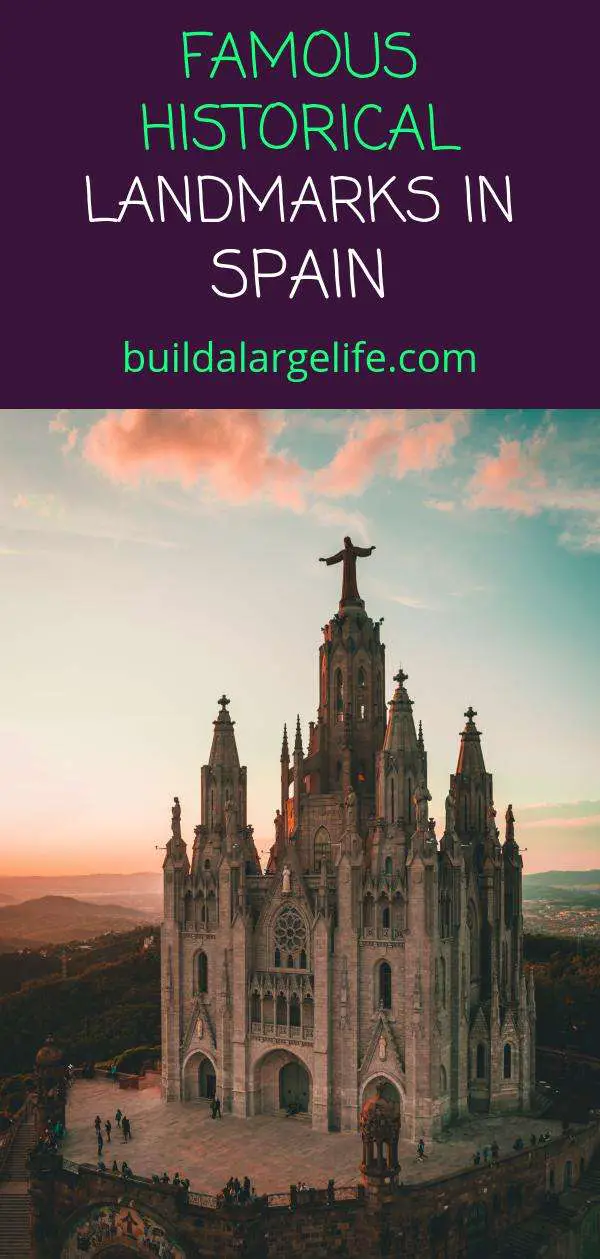
The uniqueness of Spain’s history lies in the various famous historical landmarks in Spain, where almost every region takes pride in its own little distinctive contribution to the place’s well-visited popular tourist attractions.
Exploring Spain’s Rich Historical Tapestry
Spain’s historical landscape is a testament to its strategic importance and the confluence of diverse cultures that have shaped its identity over millennia. From the earliest human settlements to the grandeur of imperial powers, you can trace the evolution of civilization through its enduring architectural marvels.
Echoes of the Roman Empire
The Roman Empire left an indelible mark on the Iberian Peninsula, and nowhere is this more evident than with the **Aqueduct of Segovia**. This monumental engineering feat, constructed around the late 1st century AD, showcases the Romans’ mastery of hydraulics and construction. Imagine approximately 25,000 granite blocks, precisely fitted without mortar, ascending over 100 feet in places to channel water from the Fuenfría mountains to the city. Its remarkable preservation is a key reason it’s a renowned UNESCO World Heritage landmark. Located just ninety kilometers from Madrid, it’s an easily accessible and awe-inspiring glimpse into ancient Roman ingenuity.
Practical Tip: Wear comfortable shoes for exploring the area around the aqueduct. The views from the top of the aqueduct’s supporting structures are spectacular, and local guides can offer fascinating insights into its construction and original function.
Moorish Grandeur and Nasrid Fortifications
The legacy of Moorish rule in Spain is strikingly preserved in the south, particularly in Andalusia. The **Alcazaba de la Alhambra of Granada** stands as a breathtaking example of Islamic art and architecture. Built by the Nasrid rulers between the 13th and 14th centuries, it’s not just a fortress but a sophisticated palace complex and designated UNESCO World Heritage site. Its strategic placement on a hilltop offered defensive advantages and panoramic vistas.
Climbing the steps to the watchtower, the Torre de la Veda, provides not only stunning views of Granada but also a profound sense of the historical significance of this fortress. The intricate tilework, serene courtyards, and flowing water features within the Alhambra complex are designed to evoke paradise, reflecting the aesthetic sensibilities of its builders. It’s a place where history, art, and nature intertwine beautifully.
A Crossroads of Cultures: Fortresses and Royal Residences
Spain’s strategic position has led to numerous fortifications and palaces serving as royal residences and centers of power. The **Alcazar of Toledo** is a prime example. Originally a Roman palace, it was later transformed into a Muslim fort before being reconstructed by Alfonso VI. Its current rectangular structure, with its commanding four square towers and a facade adorned with balconies and windows, speaks to centuries of architectural evolution. Today, it serves as a vital cultural hub, housing the Museo del Ejército (Army Museum) and the Regional Library, offering a dual perspective on Spain’s military and literary heritage.

Preserving Colonial History
Deeper into Spain’s relationship with its former colonies, we find institutions dedicated to documenting this expansive era. The **Archivo de Indias of Seville** is a fascinating landmark with a unique history. Originally a grand fish market from the Renaissance period, it was transformed into a repository for invaluable records and documents pertaining to the Spanish Empire’s vast territories in the Americas and the Philippines by King Carlos III in 1785. This quadrangular structure, with its impressive central courtyard and Renaissance-style architecture, is more than just a building; it’s a treasure trove for historians, researchers, and curious travelers alike. Its designation as a UNESCO World Heritage site underscores its global importance in understanding colonial history.
Planning Your Historical Journey in Spain
Spain has tremendously preserved its historical heritage through its amazing landmarks, offering visitors a huge opportunity to experience the uniqueness and diversity of Spain, something that a traveler should definitely put on top of the list. Each of these sites offers a unique window into different epochs of Spanish history, from its Roman roots and Moorish influence to its imperial past.
Practical Advice for History Enthusiasts
- Book in Advance: For popular sites like the Alhambra, booking tickets well in advance is crucial, especially during peak tourist seasons.
- Consider Guided Tours: To truly appreciate the historical context and architectural nuances, consider joining guided tours. Local guides can provide invaluable insights and stories.
- Explore Beyond the Obvious: While these landmarks are essential, Spain is peppered with countless other historical sites, from Roman theaters to medieval villages. Venture off the beaten path for a richer experience.
- Factor in Travel Time: Spain is a large country. Plan your itinerary to minimize travel time between historical destinations. High-speed trains are an excellent option for inter-city travel.
Visiting these historical landmarks is more than just sightseeing; it’s an immersive journey through time, offering profound understanding and appreciation for the rich tapestry that is Spain.