Should You Buy a Cheese Grater? Find Out!
If you’re looking for practical ways to trim your grocery budget, one often-overlooked kitchen essential is the humble cheese grater. It might seem like a small item, but equipping your kitchen with the right tools can lead to significant savings over time. This post will delve into why a cheese grater is a worthwhile investment and how it can benefit your culinary endeavors and your wallet.
The initial inspiration for this discussion came from a personal realization about grocery spending. It took a while to fully grasp how much extra money was being spent on pre-shredded cheese. The difference in cost between a solid block of cheese and its already-shredded counterpart is, in many cases, quite substantial. This realization prompted a closer look at everyday kitchen habits and their financial implications.

The moment of dawning when I understood the financial disparity between buying cheese in blocks versus pre-shredded bags was a bit of a shock. My initial reaction upon seeing advertisements for the convenience of pre-shredded cheese was to discard my old grater, thinking it was no longer necessary. However, after a period of contemplation, it became clear that parting with my cheese grater was a misstep.
The Case for the Cheese Grater: More Than Just Saving Money
Beyond the immediate financial benefits, there are several compelling reasons to embrace the classic cheese grater.
Elevating Flavor and Texture
One of the primary advantages of grating your own cheese is the superior quality and taste you achieve. Pre-shredded cheeses often contain anti-caking agents, such as cellulose or potato starch, to prevent them from clumping. While these additives ensure a free-flowing product, they can also dilute the cheese’s natural flavor and create a slightly powdery or less smooth texture when melted. Grating cheese fresh from a block means you get the pure, unadulterated taste and texture of the cheese itself, leading to more satisfying results in your cooking and baking.
Cost-Effectiveness: A Simple Calculation
Let’s look at the numbers. A 16-ounce block of cheddar cheese might cost around $5-$7, depending on the brand and type. In contrast, a 16-ounce bag of pre-shredded cheddar cheese can easily cost $7-$10 or more. This simple comparison reveals a potential savings of 30-50% or even higher, simply by doing the grating yourself. When you consider how often cheese is used in meals – from pasta dishes and tacos to grilled cheese sandwiches and salads – these savings add up considerably over a year.
Efficiency in Preparation
While the allure of pre-shredded cheese lies in its supposed time-saving convenience, the reality is often different. Grating a block of cheese is a surprisingly quick process, especially with a good quality grater. Tasks like preparing cheese for a weeknight pasta bake or for topping a family pizza can be accomplished in just a few minutes. For those who enjoy meal prepping, grating a larger quantity of cheese at the beginning of the week can provide the same level of convenience as pre-shredded options, but at a fraction of the cost and with better quality.
Unlocking Culinary Versatility
A cheese grater opens up a world of culinary possibilities. When you buy blocks of cheese, you have the freedom to create unique blends and experiment with different cheese varieties for specific dishes. Want a sharp cheddar with a hint of Gruyère for your macaroni and cheese? Or perhaps a mix of Parmesan and Pecorino Romano for your Caesar salad dressing? Grating your own cheese allows for this level of customization, enhancing the flavor profiles of your favorite meals and inspiring creativity in the kitchen.
Exploring Different Grating Textures
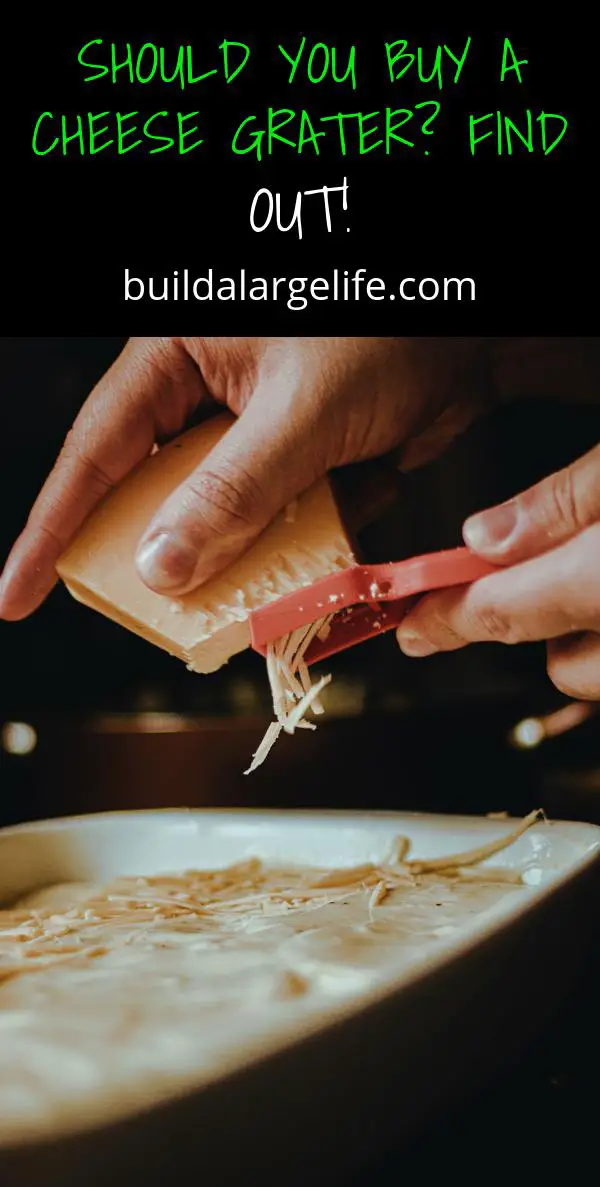
Different recipes call for different cheese textures. A box grater typically comes with various grating surfaces, allowing you to produce fine shreds, coarse shreds, and even slices. A fine grate is perfect for melting into sauces, while a coarse grate works well for toppings that need to hold their shape, like on nachos or a baked casserole. This versatility ensures you have the right consistency of cheese for any culinary application.
Ease of Use and Cleaning
Modern cheese graters are designed for user-friendliness. A standard box grater, for instance, is stable on a countertop and easy to handle. Cleanup is generally straightforward; most graters can be washed with warm, soapy water, and many are even dishwasher-safe. Compared to the effort of opening bags, scooping out cheese, and dealing with static cling, grating and cleaning are efficient processes.

The good news is that acquiring a cheese grater is an easy and inexpensive endeavor. A classic box grater is a fantastic starting point. They are readily available, budget-friendly, and incredibly simple to use. I’ve recently ordered a new one myself, and I’m eager to get back to the satisfying routine of grating my own cheese from scratch. Not only will this enhance my cooking, but it will also bring back those welcome savings on my grocery bill.
Making the Decision: Is a Cheese Grater Right for You?
Considering the points above, it’s clear that a cheese grater is more than just a kitchen gadget; it’s a tool for better flavor, greater culinary control, and significant cost savings. If you frequently use cheese in your cooking and are mindful of your grocery expenses, investing in a cheese grater is a sensible decision.
Key Takeaways for Your Kitchen:
- Financial Savings: Grating your own cheese can significantly reduce your grocery bill compared to buying pre-shredded varieties.
- Superior Quality: Enjoy the fresh, unadulterated taste and texture of cheese without added preservatives.
- Culinary Flexibility: Experiment with cheese blends and achieve the perfect texture for any recipe.
- Simplicity and Efficiency: Grating is a quick process, and cleanup is generally hassle-free.
In conclusion, should you buy a cheese grater? If you value fresh ingredients, enjoy exploring different flavors, and are looking for practical ways to save money in the kitchen, then the answer is a resounding yes. It’s a small investment that pays dividends in both taste and budget.