Periodontal Disease – A Frequently Most Diagnosed Dog Health Problem
Do you consider yourself a good dog owner? Is Fido not only the happiest pup on the block but also the healthiest? Do you know what to watch for with periodontal disease – a frequently most diagnosed dog problem?
There are nearly 44 million U.S. households that own approximately 74 million dogs. Although many of these owners treat their dog more like a family member and less like an animal, most are unaware of one of the biggest health risks for their dog.
Do you know how to spot health risks in your pets? Reiki Home Study Courses gives you the skills to give Reiki healing to yourself, to other people and to your dogs, cats, horses or any other pets. Doesn’t your pet deserve the best in health care? Early detection can be a life and death matter. To check this course out and see all of the details, click HERE.
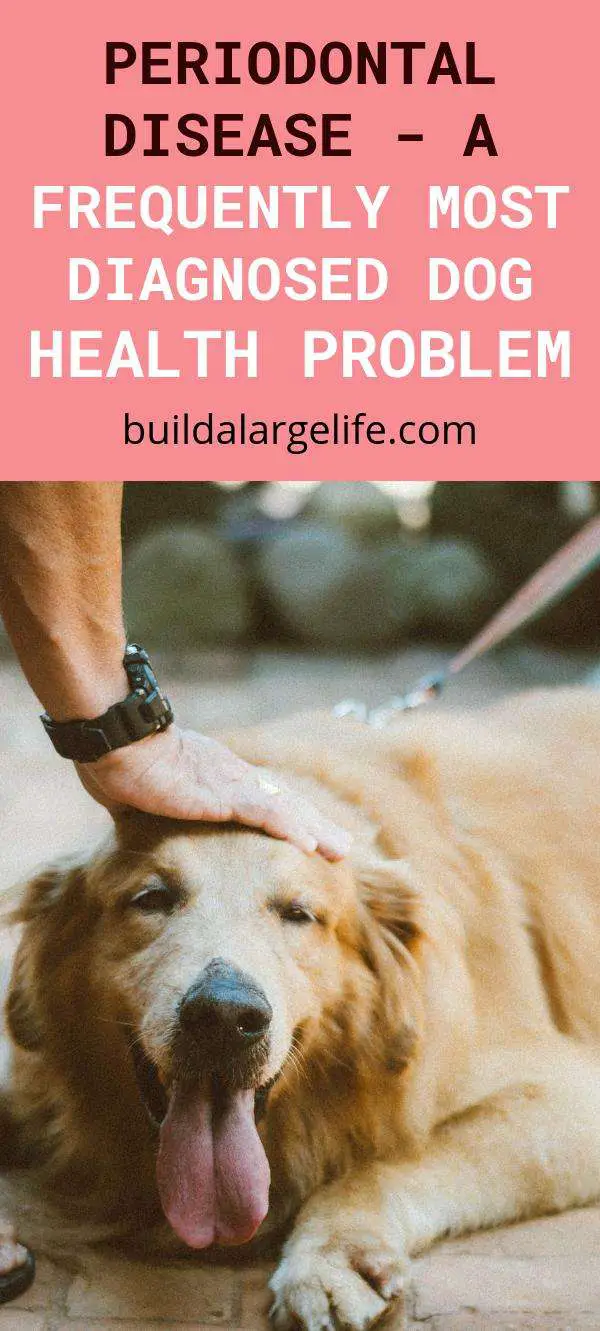
Periodontal disease is the most frequently diagnosed health problem in pets. In fact, more than 80 percent of dogs have it by the time they are 4 years old. This staggering statistic highlights a critical area of dog health that too often goes overlooked until significant damage has been done.
Understanding Periodontal Disease in Dogs
Periodontal disease begins when bacteria and food debris build up along the dog’s gum line. This sticky film is known as plaque. If not removed promptly, plaque hardens into tartar (also called calculus), a yellowish or brownish deposit that adheres strongly to the tooth surface.
As tartar accumulates, it irritates the gums, leading to inflammation, a condition known as gingivitis. This is the earliest stage of periodontal disease and is often reversible with proper dental care. However, if left untreated, gingivitis progresses. Tartar continues to build up, and further inflammation causes the gums to recede. This creates small pockets between the teeth and gums, which can trap even more bacteria, food particles, and debris, creating a vicious cycle.
The Progression and Dangers of Untreated Periodontal Disease
“Doggy breath, loose teeth, bleeding gums, mouth pain and even infections in the heart, liver, and kidney are signs of advanced periodontal disease,” says Jan Bellows, DVM, and owner of Hometown Animal Hospital and Dental Clinic in Weston, Fla. “To avoid these health problems, owners must take steps to care for their dog’s teeth-much like they care for their own.”
The bacteria responsible for periodontal disease don’t just stay localized in the mouth. They can enter the bloodstream, potentially spreading to vital organs like the heart, kidneys, and liver, causing serious systemic health issues. This makes proactive dental care not just about fresh breath and healthy gums, but about the overall well-being and longevity of your canine companion.
Taking Action: Preventing and Managing Periodontal Disease
The low rate of owners actively caring for their dog’s teeth is a significant contributor to the high prevalence of periodontal disease. Only one in five owners have ever attempted to brush their pet’s teeth, and only 2 percent brush with enough frequency to maintain proper oral health.
Establishing a consistent dental hygiene routine is paramount. Brushing your dog’s teeth regularly can remove plaque before it hardens into tartar. Start slowly and introduce the toothbrush and dog-specific toothpaste gradually to help your dog get accustomed to the process.
Veterinary Solutions and Homecare Strategies
In addition to brushing, Dr. Bellows uses ORAVET™, a plaque-prevention gel that stops disease-causing bacteria from attaching to the teeth. It is the only sealant available on the market.
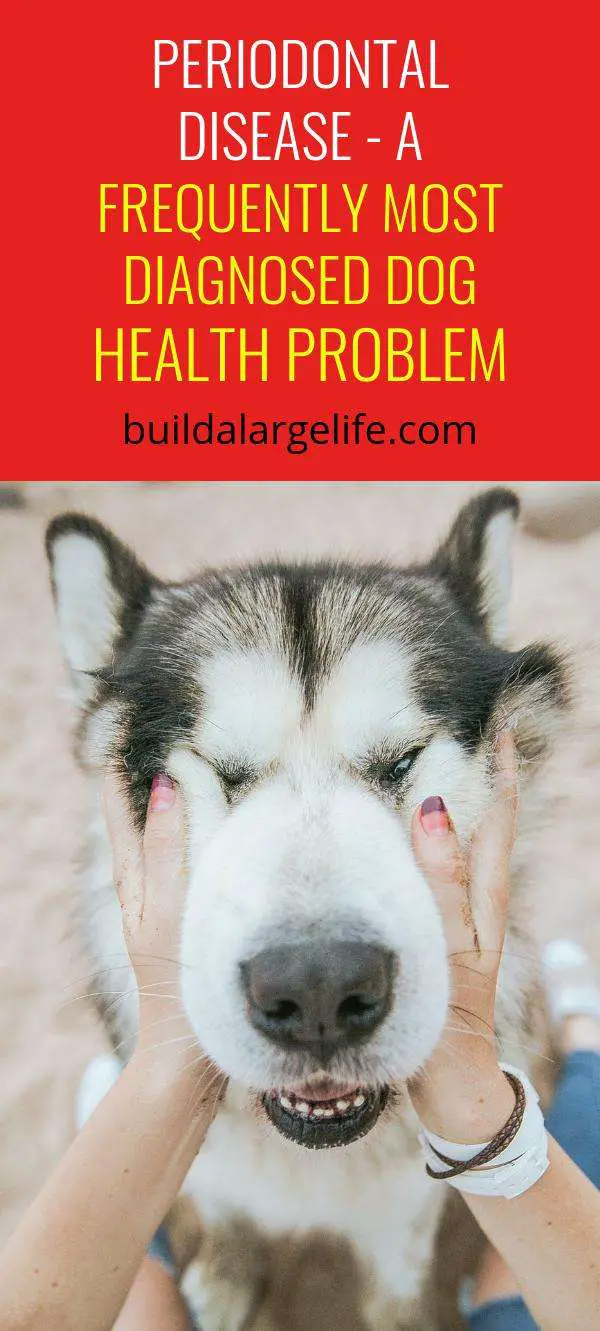
After an in-clinic cleaning, the sealant is applied to the dog’s teeth, creating an invisible barrier that reduces bacterial plaque adhesion. Owners then apply the odorless, tasteless homecare gel to the dog’s teeth once a week. It typically takes less than a minute to apply.
“As a veterinarian and as a pet owner, this gel gives me a valuable tool in preventing oral disease in dogs,” says Dr. Bellows. “It’s easy to use and is a perfect complement to tooth brushing, dental diets, and dental chews.”
Complementary Dental Care Options
Beyond brushing and specialized sealants, several other approaches can support your dog’s oral health. Dental diets formulated with specific kibble shapes and textures can help scrape plaque off teeth as your dog chews. Dental chews and toys, when used appropriately and under supervision, can also contribute to reducing plaque buildup. However, it’s important to choose products approved by veterinary dental organizations and to ensure they don’t pose a choking hazard or cause tooth fractures.
Regular Veterinary Dental Check-ups are Crucial
Even with diligent home care, professional dental cleanings by your veterinarian are essential. These cleanings go beyond what can be achieved at home. Under anesthesia, your vet can thoroughly clean above and below the gum line, perform dental X-rays to assess tooth root health, and identify any underlying issues such as fractured teeth or oral tumors.
Your veterinarian can also provide tailored advice based on your dog’s breed, age, and specific oral health needs. Don’t hesitate to discuss any concerns you have about your dog’s breath, eating habits, or visible changes in their mouth with your vet.
Signs to Watch For at Home
While professional care is vital, being observant at home can help you catch problems early. Be on the lookout for the following signs:
- Bad breath (halitosis)
- Red, swollen, or bleeding gums
- Yellow or brown tartar buildup on teeth
- Visible pain when eating or chewing
- Drooling excessively
- Loose or missing teeth
- Changes in eating habits or difficulty picking up food
- Paw-licking or face-rubbing (indicating discomfort)
If you notice any of these symptoms, schedule an appointment with your veterinarian as soon as possible. Early intervention is key to preventing the progression of periodontal disease and its potentially serious consequences.
Please share my post on social media and subscribe to get reminders when I post a new article. The subscribe is on the right navigation panel. Thank you for visiting! I would love to hear from you in the comments!