Learning to Meditate to Reduce Stress
Learning to meditate can profoundly impact your well-being, offering a powerful path to reduce stress and truly rejuvenate your soul. The benefits extend far beyond a feeling of calm; scientific research consistently demonstrates that effectively managing the detrimental effects of chronic stress can significantly increase your overall quality of life. In fact, studies suggest that stress reduction through practices like meditation may play a role in preventing serious health issues, including cardiovascular problems like heart attacks and even certain types of cancer.
At its core, meditation is a practice of learning and applying techniques designed to promote relaxation. It’s a common misconception that meditation is exclusively tied to religious beliefs. While many religions incorporate meditation as a spiritual discipline, the fundamental techniques for achieving a relaxed state can be embraced and practiced independently, without any religious association whatsoever.
Getting Started with Meditation
Embarking on your meditation journey requires understanding three fundamental principles that form the bedrock of any effective practice: posture, breathing, and attitude. Achieving the maximum benefits from meditation relies on the harmonious integration of these three concepts. Posture is a foundational element; a stable and comfortable position is crucial. For most relaxation and meditation practices, maintaining a straight spine is recommended. This alignment facilitates proper circulation through your nervous system and aids in staying alert and present, preventing discomfort that could distract you.
The Power of Proper Posture
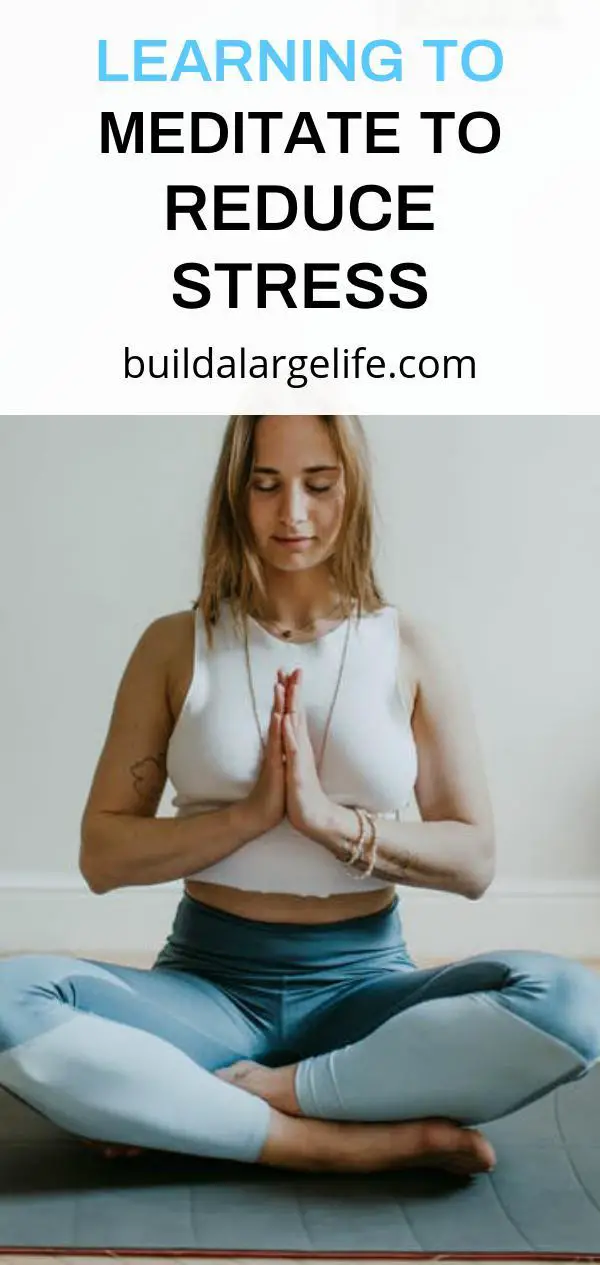
Finding a comfortable yet supportive posture is key. Whether sitting upright in a chair with your feet flat on the floor, cross-legged on a cushion, or even lying down if necessary (though this can sometimes lead to sleep), the goal is to create a stable base. Ensure your shoulders are relaxed, not tensed, and your hands can rest comfortably in your lap or on your knees. The aim isn’t rigid perfection, but a state where you can remain still and at ease for the duration of your practice.
Mastering Diaphragmatic Breathing
Breathing is arguably the most critical component of learning to meditate. The practice emphasizes slow, even breaths that originate from the diaphragm, also known as belly breathing. This type of breathing signals to your nervous system that it’s safe to relax, counteracting the fight-or-flight response often triggered by stress. It may take consistent practice to become accustomed to breathing this way. You’ll notice your abdomen gently rising as you inhale and falling as you exhale.
Cultivating the Right Attitude
The final, and often most challenging, aspect is attitude—specifically, focusing your mind and concentrating on the act of relaxing your body. For beginners, it’s entirely normal for the mind to wander. Thoughts about daily worries, future to-do lists, or past events can easily intrude. The practice isn’t about never having thoughts; it’s about developing the awareness to notice when your mind has drifted and gently, without judgment, refocus your attention back to your breath or the sensation of relaxation in your body.
Helpful Tools for Your Meditation Practice
While meditation can be practiced with just your mind and body, there are numerous resources and tools that can significantly support your journey, especially in the initial stages. Many individuals find guided meditations to be incredibly beneficial. These are typically audio recordings where a teacher’s voice guides you through the process, offering instructions on breathing, body scan techniques, and managing wandering thoughts. You can find these on apps, online platforms, and in CD or download formats.
Understanding Meditation Guides
Tapes, DVDs, and books offer structured, step-by-step instructions on various meditation techniques. For beginners, these resources are invaluable as they provide a clear roadmap and demystify the process. Exploring different styles of guided meditation can also help you discover what resonates best with you, whether it’s mindfulness, loving-kindness, or focused attention meditation.
Ergonomic Meditation Aids
Specialized chairs designed for meditation and relaxation are available. These chairs are crafted to help you maintain the correct posture effortlessly, supporting your spine and allowing for comfortable, prolonged sitting. They aim to alleviate physical discomfort that might otherwise pull your attention away from your practice. Even simple cushions, known as zafus, can help achieve a stable and comfortable seated position.
The Power of Mantras
Mantras are simple words, phrases, or sounds that are repeated silently or aloud during meditation. Their purpose is to act as an anchor for your attention, helping to quiet the internal chatter and maintain focus. For example, the Sanskrit mantra “Om” is widely used for its calming and centering effect. You can also create your own personal mantra that reflects your intentions, such as “I am calm” or “Peace.”
Making Meditation a Habit
Consistency is key when integrating meditation into your life. Start with short sessions, even just 5-10 minutes a day. Find a quiet time and place where you are unlikely to be disturbed. As you become more comfortable, you can gradually increase the duration of your practice. Don’t be discouraged by initial challenges; every meditation session is an opportunity to practice and improve. Remember, the goal is not to achieve a completely thought-free mind, but to cultivate a greater awareness of your thoughts and develop the ability to return to your present moment practice with greater ease.
In conclusion, learning to meditate offers a scientifically supported and accessible method for reducing stress, enhancing life quality, and fostering overall well-being. By understanding and practicing the core principles of posture, breathing, and attitude, and by leveraging available tools and resources, you can effectively begin your meditation journey. Start simple, be patient with yourself, and notice the profound positive shifts that consistent practice can bring.