How You Can Become an Expert Gardener
Understanding Your Foundation: The Soil
Gardening is a huge art and hobby and it can be a lot of fun to have. In order to become an expert gardener, you should take some time to learn about what the soil and the plants need in order to thrive.
Before you start your garden you need to know what type of soil you are growing in and how you will want to grow your plants. One of the best ways to determine your growing conditions is to use a soil testing kit. You can find these at most gardening centers or you can order one online. Once you have this done, you should be able to give yourself some great garden ideas.
The Importance of Soil Testing
Understanding your soil’s composition is the first crucial step to gardening success. A soil testing kit will reveal essential details about its pH level, nutrient content (like nitrogen, phosphorus, and potassium), and organic matter percentage. This information is vital because different plants have specific soil preferences. For instance, blueberries thrive in acidic soil, while most vegetables prefer a slightly acidic to neutral pH. Knowing your soil’s baseline allows you to amend it effectively, ensuring your plants receive the optimal environment for growth and nutrient absorption.
Mastering the Art of Watering
When growing your plants, you need to make sure that you will be watering them correctly. Many plants are sensitive to the different types of water and will not do well if their roots are getting too much water. For plants like roses or lilies, you will want to water them every other day. It is best to water the plants dry and not soak them so much that the soil becomes wet.
Signs of Proper Hydration and Overwatering
Overwatering is a common pitfall for new gardeners, leading to root rot and other fungal diseases. Signs of overwatering include yellowing leaves that may feel limp, a persistently soggy soil surface, and even a musty odor from the soil. Conversely, underwatered plants will show wilting leaves that are dry and crispy, and the soil will pull away from the sides of the pot. The key is to check the soil moisture regularly. Insert your finger about an inch or two into the soil. If it feels dry, it’s time to water. If it feels moist, hold off. Watering deeply but less frequently encourages stronger root systems that penetrate deeper into the soil, making plants more resilient.
Exploring Container Gardening
Growing your plants in containers is a wonderful way to have them all year round. There are many containers on the market today for both indoors and outdoors. If you choose to use them indoors, they should have an insulating layer so they do not get too hot or cold. They also need to be properly vented in order to allow air circulation. If you choose to grow them outdoors in containers, you will need to protect them from the weather and allow them to be watered.
Container gardening also makes your garden completely portable.
Choosing the Right Containers and Soil for Potted Plants
Container gardening offers incredible flexibility, allowing you to grow plants in spaces where inground gardening isn’t possible. When selecting containers, consider their material, size, and drainage. Terracotta pots are attractive but dry out quickly, while plastic pots retain moisture longer. Ensure all containers have adequate drainage holes to prevent waterlogging. For soil, use a high-quality potting mix specifically designed for containers. This mix is lighter and provides better aeration than garden soil, which can become compacted in pots, hindering root growth and drainage.
Planning Your Planting Strategy
Before you start planting you need to make sure that you have a plan. If you have never done any gardening before you will need to learn what the plants you are interested in growing best in. You can make an even better plan by listing down the things that you are going to grow and how often you will be doing it. After you do this you will be able to create a schedule and stick to it.
Creating a Garden Schedule
A well-thought-out plan is the backbone of a successful garden. Start by researching the specific needs of the plants you wish to grow. Consider your climate, the amount of sunlight your garden receives, and the available space. Creating a planting schedule involves noting when to sow seeds, transplant seedlings, fertilize, and prune. For example, cool-season vegetables like lettuce and spinach can be planted in early spring or fall, while heat-lovers like tomatoes and peppers need warmer temperatures. A gardening journal or app can be an invaluable tool for tracking your progress and remembering important tasks.
Preparing Your Soil for Planting
You need to get your soil ready and make sure that it has a good aeration. To do this you need to apply compost to the top and then dig a hole in the bottom of the container. Fill the hole with soil and then fill the top with the recommended amount of compost. When you get to the top of the container you need to get a spade and mix the compost in well.
Improving Soil Aeration and Fertility
Good soil aeration is crucial for healthy root development, allowing oxygen to reach the plant’s roots and facilitating the removal of carbon dioxide. Compost is a gardener’s best friend, as it not only improves soil structure and aeration but also enriches the soil with essential nutrients and beneficial microorganisms. When incorporating compost into your soil, whether in the ground or in containers, aim for thorough mixing. Avoid large clumps of compost or overly compacted soil, as this can create pockets of poor drainage and aeration.
Selecting the Right Plants for Your Garden
When it comes to the plants you need to know what they grow best in. Many plants that grow well in containers are vegetables like lettuce and broccoli. Some you may want to try out include tomatoes, eggplants, squash, peas, and beans. You can also grow a wide variety of flowers. These include roses, lilies, and orchids.
Best Plants for Beginners and Container Gardening
For beginners, starting with easy-to-grow plants is a smart approach to build confidence. Leafy greens like lettuce, spinach, and kale are quick to mature and forgiving. Radishes and bush beans are also excellent choices for container gardens and offer rapid results. Culinary herbs such as basil, mint, and chives are also very adaptable to pots and add flavor to your cooking. When choosing flowers, opt for varieties known for their resilience and continuous blooming, such as petunias, marigolds, and impatiens.
Nurturing Your Plants: Watering and Fertilizing
When it comes to caring for your plants, you will need to keep them watered and fertilized. Watering needs to be done once a week and fertilizing once a month. When you water the plants, you want to make sure that you use enough so that the soil is not just damp but moist as well. If you do not do this you could have root rot or other problems that could end up killing your plants.
Understanding Fertilizer Needs and Types
Fertilizing provides plants with the essential nutrients they need to grow and produce. The N-P-K ratio on a fertilizer package indicates the percentage of nitrogen (N), phosphorus (P), and potassium (K). Nitrogen promotes leafy growth, phosphorus aids in root and flower development, and potassium supports overall plant health. Your soil test results can guide you on which nutrients might be lacking. For instance, if your soil is deficient in nitrogen, a fertilizer with a higher first number would be beneficial. Organic fertilizers, like compost tea or fish emulsion, release nutrients slowly and improve soil health over time, while synthetic fertilizers provide a quicker boost.
Dealing with Pests and Diseases
You also need to remember that pests can be a problem when it comes to gardening. As you grow plants, you will need to watch out for the insects and bugs that eat them as well as the spiders and snakes that get into your plants. The most important thing is to protect your plants from predators.
Natural Pest Control Methods
An expert gardener understands that pests are a natural part of the ecosystem. Instead of immediately resorting to harsh chemicals, consider integrated pest management (IPM) strategies. Encouraging beneficial insects like ladybugs and lacewings, which prey on pests, can be done by planting flowers that attract them, such as dill and marigolds. Companion planting, where certain plants are grown together to deter pests, is another effective technique. For example, planting marigolds among vegetables can help repel nematodes. Regularly inspecting your plants for early signs of infestation allows for prompt action before problems escalate.
Fertilizing Specific Plant Types
Fertilizer is needed if you are growing grasses or trees. You will need to use a fertilizer that is designed for grass and trees. This is to make sure that the plants have enough nutrients to grow.
Tailoring Fertilizer to Grasses and Trees
Grasses and trees have unique nutritional needs that differ from annual vegetables and flowers. Lawn fertilizers are typically high in nitrogen to promote lush green growth. For trees, especially young ones, a balanced fertilizer or one with a slightly higher phosphorus content can encourage strong root establishment. Always follow the application instructions on the fertilizer packaging carefully to avoid over-fertilizing, which can harm plants and the environment. Applying fertilizer at the right time of year, often in spring and fall for trees, is also essential.
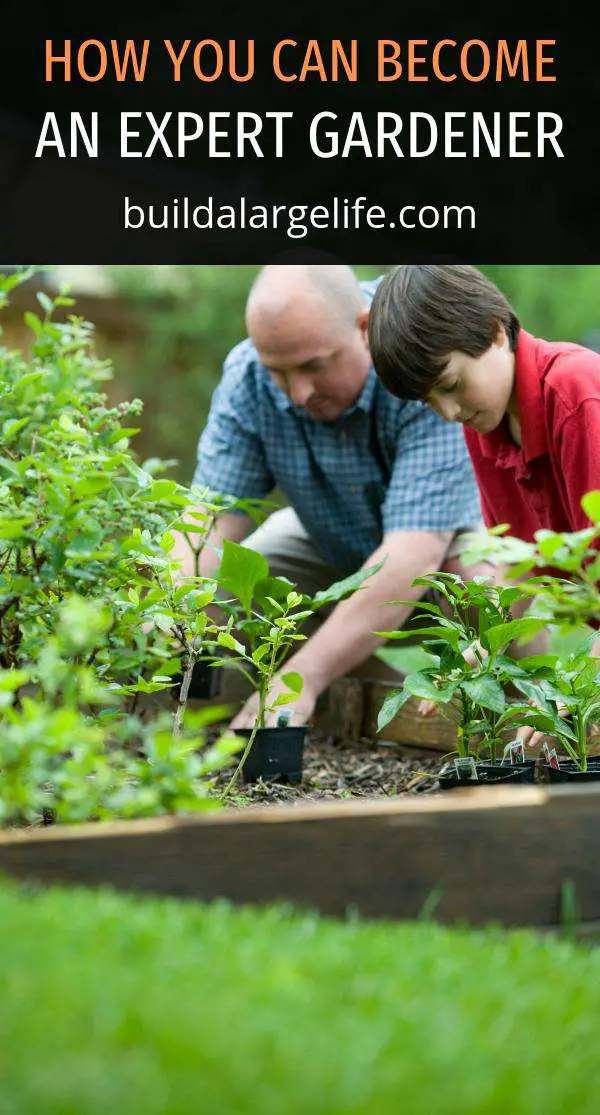
Gardening is a fun and rewarding hobby and can be done with just about any plant. If you have never tried gardening before, the best thing you can do is to get some seeds and start planting.
Disclaimer: Some of the links are affiliate links, meaning, at no additional cost to you, I will earn a commission if you click through and make a purchase.