Here’s a Quick Way to Know the Purpose and Aspects of Chair Lifts
The chairlift is a ubiquitous form of aerial lift, recognizable by its continuous loop of steel cable. This cable is expertly strung between two end terminals, often supported by intermediate towers, and a constant onward motion is maintained. Suspended from this moving cable are the seats, designed to transport passengers. While most commonly associated with ski areas, where they serve skiers and sightseers ascending and descending mountainsides, the versatility of chairlifts extends far beyond winter recreation. They are also a common sight and a valuable amenity in amusement parks and numerous other places of tourist attraction, offering convenient transport and unique vantage points.
Beyond Recreation: Chairlifts as Mobility Aids
The technological advancements in chairlift design have significantly broadened their applications, extending their benefits to individuals facing mobility challenges. Chairlifts can be a tremendous aid for people with handicaps, offering independent access to spaces that might otherwise be inaccessible. Furthermore, if you have developed trouble getting around, whether temporarily due to injury or as a long-term condition, chairlifts can greatly simplify daily life. The marketplace offers a diverse array of chairlift types, ensuring there’s a solution to suit almost any purpose. These range from simple stairlifts that elevate a chair to another level to overcome the challenge of stairs or to facilitate access to vehicles, to more sophisticated systems designed to assist individuals in standing up or sitting down.

Types of Chairlifts for Home and Accessibility
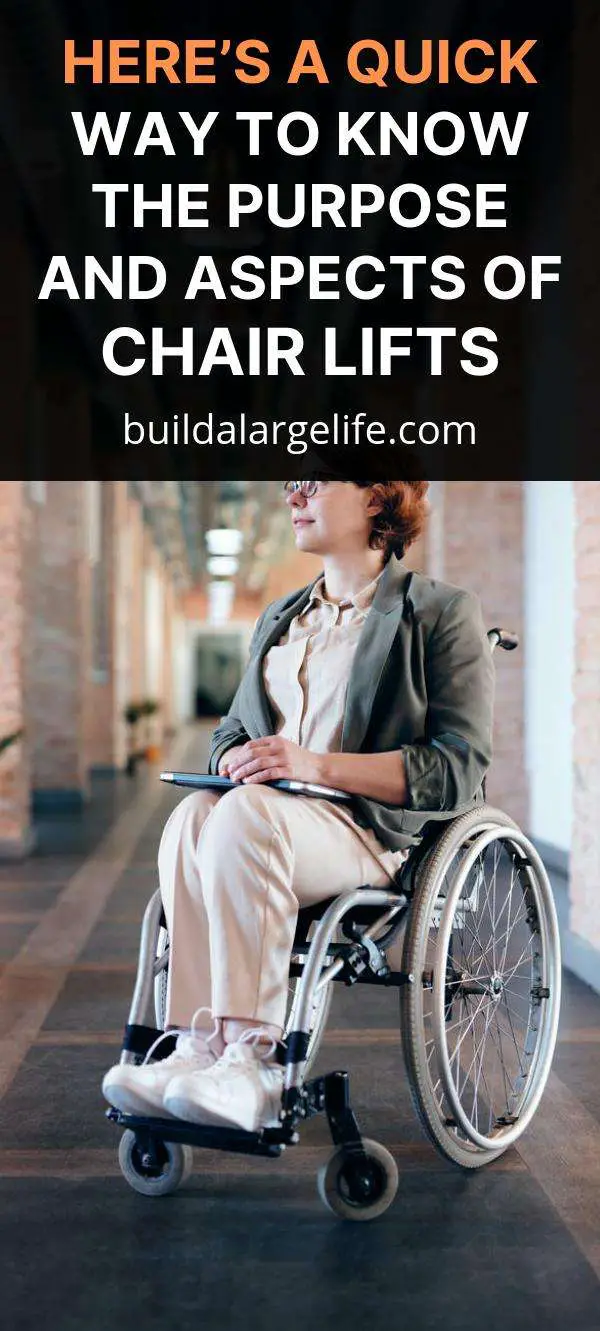
For individuals utilizing wheelchairs, stairlifts designed to lift a chair up stairs are among the most impactful of these assistive devices. Manufacturers offer a wide variety of brands and models, each with unique features and capabilities. When considering a purchase, it’s essential to carefully examine the weight capacity of the chairlift to ensure it meets the needs of the intended user. Don’t overlook any necessary extra equipment or accessories that might be required for safe and efficient operation. Some chairlifts require the user to have sufficient mobility to transfer from their wheelchair to the chairlift seat independently, while others are designed to accommodate users who cannot perform this transfer. This distinction is a crucial factor to consider when making a selection. To navigate these choices effectively, consulting with a professional chairlift expert is highly recommended. These professionals can meticulously explain all the relevant aspects of chairlifts and guide you in selecting features that will genuinely enhance your quality of life. While this expert advice might incur an additional cost, the peace of mind and tailored solution it provides are undoubtedly worthwhile.
Beyond those who use wheelchairs, chairlifts also serve individuals who may not be wheelchair-bound but struggle with the physical exertion of sitting down and subsequently standing up. The adjustable nature of many chairlift models makes them perfectly suited for this purpose, providing a safe and supportive way to transition between sitting and standing. Their utility extends to assisting with entry and exit from vehicles, making travel and errands less daunting. In some truly remarkable applications, chairlifts have even been adapted to enable individuals with disabilities to participate in activities like hunting by allowing them to access tree stands. This demonstrates the profound and far-reaching impact chairlifts can have on enhancing independence and enriching lives.
Making an Informed Decision on Chairlifts
When selecting a chairlift, understanding your specific needs is paramount. Consider the environment where the lift will be installed: Will it be for indoor stairs, outdoor access, or a vehicle? Think about the user’s physical capabilities and any potential changes in mobility over time. Features like swivel seats, folding footrests, and secure harnesses can significantly improve comfort and safety. For those looking for a stairlift, researching brands like Stannah or Acorn Stairlifts can provide a starting point for understanding the market. It’s also beneficial to inquire about warranties, installation services, and ongoing maintenance to ensure long-term satisfaction.
Key Considerations for Purchasing a Chairlift:
- Weight Capacity: Ensure the lift can safely support the user and any expected load.
- Stair Configuration: Straight, curved, or spiral staircases require different types of railing systems.
- Power Source: Most modern stairlifts use rechargeable batteries, providing a backup during power outages.
- User Comfort and Safety Features: Look for comfortable seating, secure seatbelts, and intuitive controls.
- Installation and Support: Choose a reputable dealer that offers professional installation and reliable customer support.
Ultimately, the goal of a chairlift is to restore or enhance freedom of movement and independence. Whether for recreational purposes or as a vital mobility aid, these ingenious devices offer practical solutions to a variety of challenges. By carefully evaluating your needs and consulting with professionals, you can find a chairlift that perfectly fits your requirements and significantly improves your quality of life.