Best Practice Rules for Safe Archery
Archery, much like any sport, thrives on a foundation of established rules and best practices. These guidelines are not merely suggestions; they are critical in ensuring the safety of every archer, spectator, and the equipment itself. Whether you’re lining up for a competition or simply enjoying a casual session at the range, adhering to these principles is paramount. This guide delves into the essential best practice rules for safe archery, designed to help you shoot with confidence and peace of mind.
Best Practice Rules for Safe Archery
1. Aim with Precision and Purpose
The cardinal rule of archery is simple yet profound: always aim your arrows at the designated target. Arrows, designed to travel at high speeds, possess significant kinetic energy and can be dangerous if misdirected. Never point a drawn bow, even without releasing, at anything other than the intended target. This includes people, animals, or property. Developing this habit from your very first shot instills a culture of safety that will serve you throughout your archery journey.
2. Thoroughly Inspect Your Equipment
Before every single shot, a diligent inspection of your arrows is crucial. Look for any signs of damage, such as cracks in the shaft, splits, or bends. A compromised arrow shaft can fracture upon release, ejecting fragments that could cause serious injury to the archer or anyone nearby. Similarly, check the nock, the small plastic piece at the rear of the arrow that connects it to the bowstring. A damaged or loose nock can lead to an arrow misfiring, veering off course, or even breaking the bowstring. Inspecting your arrows is a non-negotiable step for predictable and safe shooting.
Beyond the arrows, always ensure your bow is in good working condition. Check the limbs for any delamination or stress marks, and ensure the string and cables are clean and free from fraying. Regular maintenance of your bow is as important as arrow inspection.
3. Strategic Safety and Arrow Retrieval
Safety protocols are vital, especially during the retrieval of arrows. Absolutely no one should approach the target area until the designated cease-fire signal has been given and all archers have finished shooting. When retrieving arrows, it is best practice for archers to do so one at a time. Ensure no one is standing in front of or behind the targets, or in the path where arrows might be pulled out. This prevents accidental injury from stray arrows still in the target or from the process of withdrawing them. Maintain awareness of your surroundings at all times.
4. The Art of Proper Bow Loading and Handling
Never draw and release a bowstring without an arrow nocked. This practice, often called “dry-firing,” can cause significant damage to the bow’s limbs and riser, potentially leading to catastrophic failure and injury. The stored energy in the drawn bowstring has no arrow to propel, so it is absorbed by the bow’s components, stressing them beyond their limits. Furthermore, an arrow should only be nocked when you are standing at the designated “Shooting Line” and have received the clear command to begin shooting. This prevents accidental discharges.
Understanding your bow’s draw weight is also essential. Ensure you are physically capable of safely drawing and holding your bow. Using a bow that is too powerful can lead to poor form, fatigue, and increased risk of injury.
5. Strategic Target Placement and Range Management
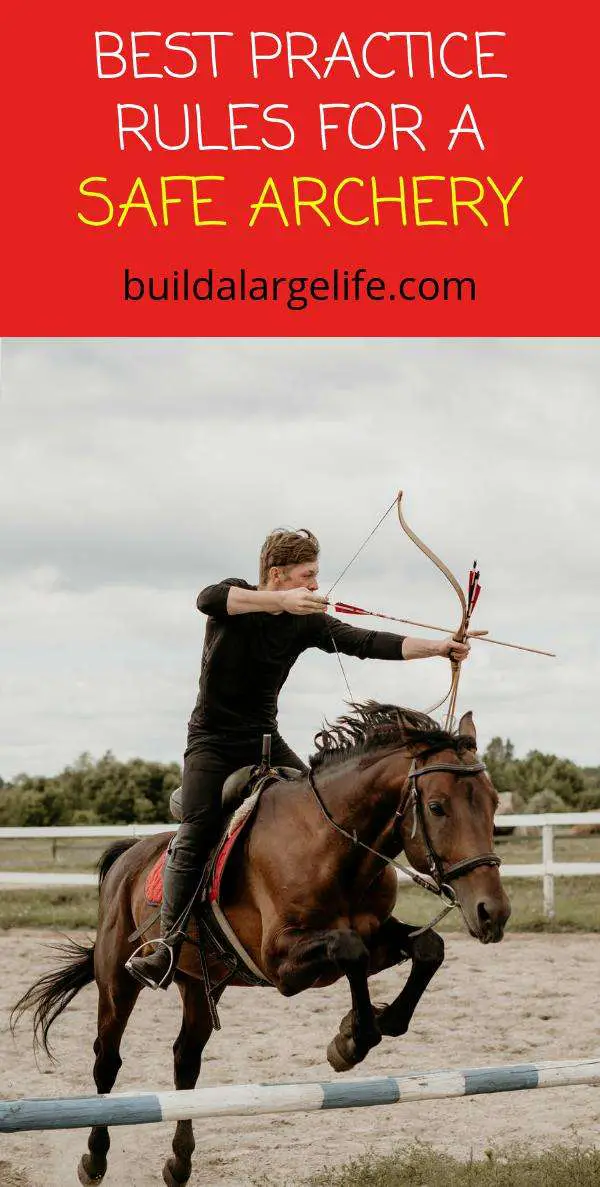
The placement of archery targets is a critical safety consideration. Targets must be positioned in a way that ensures any errant arrow, whether it misses the target or passes through it, will be safely stopped by a suitable backstop or an ample safety zone. Archery ranges should have clearly defined safety boundaries. All participants must always wait for the explicit command to shoot and the command to retrieve arrows. Never assume it is safe to shoot or retrieve without clear instructions from the range officer or safety marshal.
If you are shooting in an area where there is no designated range, establishing a safe shooting zone is your responsibility. This involves a generous clear area behind the target to account for missed shots and an equally large clear area in front and to the sides of the shooting line. Consider the trajectory of your arrows and potential ricochets.
6. Range Etiquette and Awareness
Beyond the core rules, general range etiquette plays a significant role in maintaining a safe environment. Always be aware of other archers on the line. Avoid unnecessary distractions or conversations while others are shooting. When walking behind the shooting line, do so quietly and respectfully. If you are spectating, remain behind designated safety lines and do not cross the shooting line at any time. Understanding and respecting these unwritten rules fosters a positive and secure atmosphere for everyone. For those interested in enhancing their archery experience with quality gear, exploring reputable archery equipment retailers can be beneficial. Consider investing in a good arrow rest for improved accuracy and bow sights to aid in aiming.
7. Protection for You and Your Equipment
Beyond the essential rules, wearing appropriate safety gear is a wise precaution. For recurve and traditional archers, a bracer or armguard is essential to protect your forearm from string slap, which can occur when the bowstring hits your arm during the release. A finger tab or shooting glove protects your drawing fingers from the abrasion of the bowstring, preventing blisters and making repeated shooting more comfortable. For compound archers, a trigger release aid is standard, but it’s crucial to ensure it’s properly adjusted. Proper archery shoes can also provide grip and stability on various terrains.
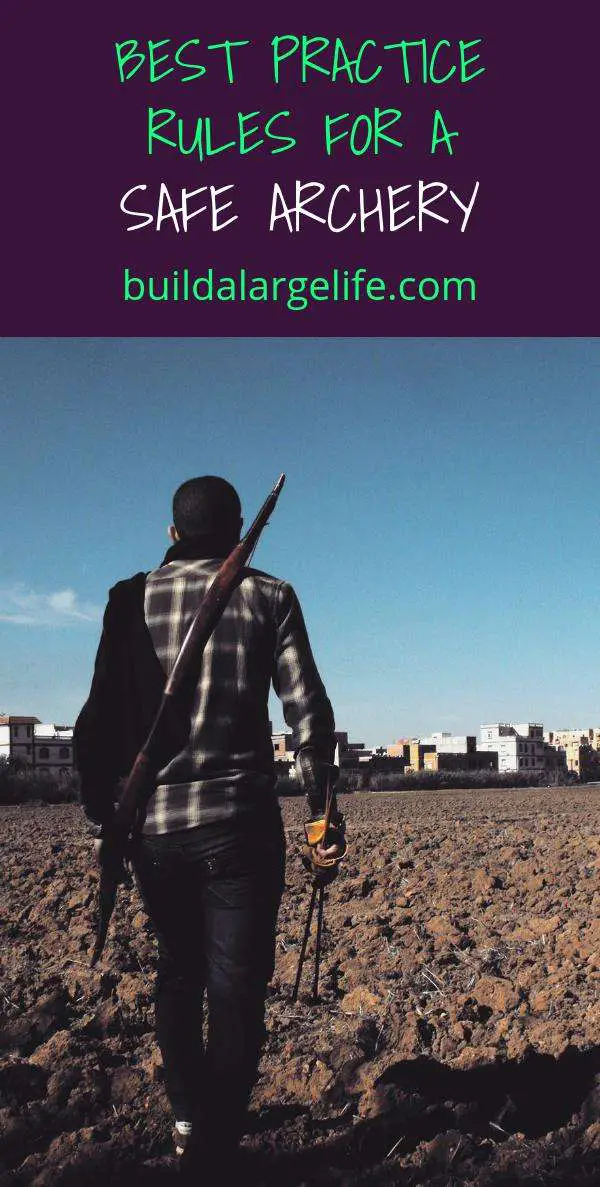
Furthermore, always store your archery equipment properly. Protect your bow from extreme temperatures and moisture. Keep arrows in a secure quiver or case to prevent damage and accidental discharge. Understanding where to purchase reliable bow cases can help preserve your equipment.
Conclusion: Safety as the Foundation of Archery Enjoyment
Archery is an incredibly rewarding sport that offers focus, physical activity, and a connection with tradition. However, its inherent nature demands respect and adherence to safety. By consistently applying these best practice rules – aiming with precision, inspecting your equipment diligently, practicing strategic safety during retrieval, mastering proper bow handling, ensuring correct target placement, respecting range etiquette, and using protective gear – you create an environment where safety is paramount. These habits not only protect you and others but also allow for a more focused and enjoyable archery experience. Shooting for fun or competing, safety should always be your primary objective.